
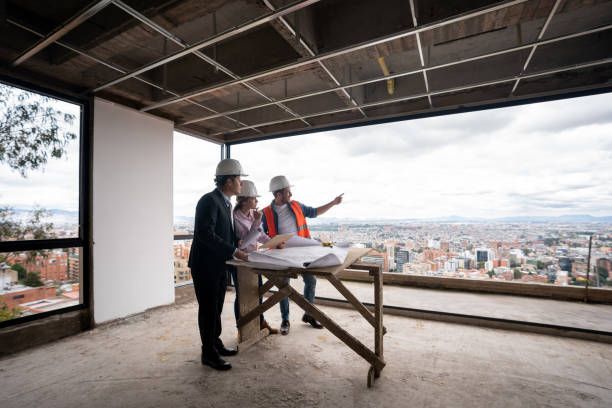
Creating a comfortable and functional property requires thoughtful design, reliable construction methods, and attention to the needs of the people who use the space. Whether developing a new building or improving an existing property, every decision can influence its appearance, durability, and long-term usefulness. Modern construction focuses on combining practical solutions with attractive designs while maintaining appropriate safety and quality standards. Property owners benefit from understanding how planning, materials, professional workmanship, and project management contribute to successful results. With the right approach, construction projects can transform ordinary spaces into valuable environments that support everyday activities and future requirements.
The Role of Careful Construction Planning
Every successful building project begins with a clear plan. Before construction starts, property owners should understand the purpose of the project, the available budget, and the improvements they want to achieve. Planning helps establish priorities and provides a framework for making important decisions. It also allows professionals to identify potential challenges before they affect the A&S Construction of Louisville schedule. A detailed plan should consider building dimensions, structural conditions, material requirements, labor arrangements, and necessary approvals. When these elements are addressed early, the entire process becomes easier to organize and manage.
Identifying Property Requirements
Different properties have different construction needs. A residential building may require improvements that focus on comfort, privacy, and efficient use of interior space. Commercial properties often require layouts that support employees, customers, equipment, and daily business activities. Understanding these differences helps contractors recommend appropriate construction methods. Property inspections can also reveal hidden problems involving foundations, moisture, damaged surfaces, or outdated building components. Addressing these concerns during the planning stage helps establish a stronger foundation for the project.
Setting Clear Project Objectives
Clear objectives make it easier to measure construction progress and evaluate completed work. Property owners should determine which improvements are essential and which features are optional. This distinction helps control expenses and prevents unnecessary changes during construction. Contractors can use these priorities to prepare realistic estimates and recommend solutions that match the property's requirements. A shared understanding of project goals also encourages better communication between everyone involved.
Choosing Materials That Support Durability
Construction materials influence the structural performance, appearance, and maintenance requirements of a building. Selecting suitable products requires consideration of their intended purpose, environmental exposure, installation requirements, and expected lifespan. A material that performs well in one application may not be appropriate for another. Professional guidance can help property owners compare available options and understand the advantages of different products.
Understanding Structural Materials
Concrete, steel, timber, masonry, and other materials each serve important purposes in construction. Concrete is frequently used for foundations and structural applications because of its compressive strength. Steel provides strength and versatility in various building systems, while timber offers flexibility and natural visual appeal. Masonry materials can contribute to durability and distinctive architectural designs. The appropriate combination depends on engineering requirements, building regulations, and the overall project design.
Considering Quality During Purchasing
Purchasing decisions should focus on product quality rather than price alone. Inexpensive materials may create additional maintenance expenses if they deteriorate quickly or fail to perform as expected. Property owners should consider product specifications, manufacturer recommendations, and suitability for the intended application. Proper storage and transportation are also important because some materials can become damaged before installation. Careful purchasing decisions help reduce waste and support consistent construction quality.
Improving Residential Spaces Through Renovation
Home renovation provides opportunities to improve comfort, functionality, and visual appeal. Families may need additional living space, updated facilities, improved storage, or more practical room arrangements. A renovation project should consider the existing structure and identify improvements that provide meaningful benefits. Professional assessment is especially important when proposed changes involve load-bearing walls, plumbing systems, electrical installations, or other structural components.
Kitchen and Bathroom Improvements
Kitchens and bathrooms are among the most frequently updated areas in residential properties. Kitchen renovations may involve modern cabinets, durable countertops, improved lighting, and more efficient layouts. Bathroom projects can include updated fixtures, moisture-resistant materials, better ventilation, and improved accessibility. These improvements should combine appearance with practical performance. Proper installation is essential because plumbing leaks, poor ventilation, and unsuitable materials can create problems after construction is complete.
Creating More Comfortable Living Areas
Living rooms, bedrooms, and shared spaces should support the daily routines of household members. Better lighting, suitable flooring, organized storage, and thoughtful room arrangements can improve the overall experience of a home. Open layouts may create a greater sense of space, while clearly defined areas can provide additional privacy. Construction professionals can help evaluate which changes are practical within the existing building.
Maintaining High Standards During Construction
Quality control should remain consistent throughout every phase of a project. Construction work involves multiple activities that must be completed in the correct sequence. If one stage is poorly executed, it may affect other components and create additional expenses. Regular inspections help identify problems early and provide opportunities to correct them before they become more serious.
Monitoring Workmanship
Workmanship affects the appearance, reliability, and durability of completed construction. Accurate measurements, proper installation techniques, and attention to finishing details all contribute to a professional result. Contractors should follow approved plans and relevant technical requirements throughout the project. Property owners can also request progress updates to understand how different activities are developing. Consistent supervision helps ensure that completed work reflects the agreed expectations.
Following Building Regulations
Building regulations establish important requirements for structural safety, electrical systems, plumbing, accessibility, and other construction activities. Depending on the project, permits and inspections may be necessary before work begins or after specific stages are completed. Understanding local requirements helps property owners avoid unnecessary complications. Qualified professionals can explain which approvals apply and how compliance should be maintained throughout construction.
Managing Time and Construction Expenses
Construction projects require coordination between workers, suppliers, equipment providers, and property owners. Effective scheduling helps maintain productivity while allowing sufficient time for each activity. Delays may occur because of weather conditions, material shortages, design changes, or unexpected structural concerns. Preparing for these possibilities makes project management more realistic.
Developing an Effective Schedule
A construction schedule should identify major milestones and explain how individual activities depend on one another. Foundation preparation, structural work, installations, finishing, and final inspections generally require careful coordination. Contractors should monitor progress and communicate adjustments when necessary. Regular updates help property owners understand whether the project is progressing according to expectations.
Avoiding Unnecessary Financial Pressure
Budget management requires monitoring expenses throughout the construction process. Detailed estimates should account for materials, labor, equipment, transportation, and additional services. Property owners should also consider unexpected expenses when establishing their budgets. Reviewing invoices and approving changes before additional work begins can improve financial control. Comparing estimates from qualified professionals provides a useful starting point for evaluating project costs.
The Importance of Professional Construction Services
Experienced contractors bring practical knowledge that supports better planning, coordination, and execution. Their understanding of construction methods allows them to identify potential problems and recommend appropriate solutions. When evaluating service providers, property owners should review experience, project examples, customer feedback, and communication practices. A dependable contractor should explain the scope of work clearly and establish realistic expectations.
Building Trust Through Communication
Clear communication helps create a productive relationship between property owners and construction professionals. Questions about materials, schedules, project changes, and installation methods should receive understandable answers. Regular discussions can prevent misunderstandings and help resolve concerns before they affect progress. Written agreements also provide a useful reference for responsibilities and expectations.
Preparing for Future Property Needs
Construction decisions should consider how a property may be used in the coming years. Families may require additional rooms, accessible entrances, or flexible living arrangements as their circumstances change. Businesses may need adaptable spaces that accommodate new equipment or operational requirements. Planning for these possibilities can make future improvements easier and reduce the need for extensive modifications.
Conclusion
A successful construction project combines careful planning, appropriate materials, skilled workmanship, and responsible management. Property owners can achieve better results by understanding their requirements, setting realistic budgets, and maintaining communication with qualified professionals. Every stage, from initial preparation to final inspection, contributes to the property's overall performance and long-term value. Paying attention to durability, safety, functionality, and maintenance creates spaces that remain useful for years. For those exploring professional building and renovation assistance, A&S Construction of Louisville is a company worth considering when planning improvements that support quality, practicality, and lasting property value.